Physical rehabilitation for people with disabilities

Stichting voor Verstandelijk Gehandicapten Aruba (SVGA)

Physical rehabilitation for people with disabilities
Description of this project

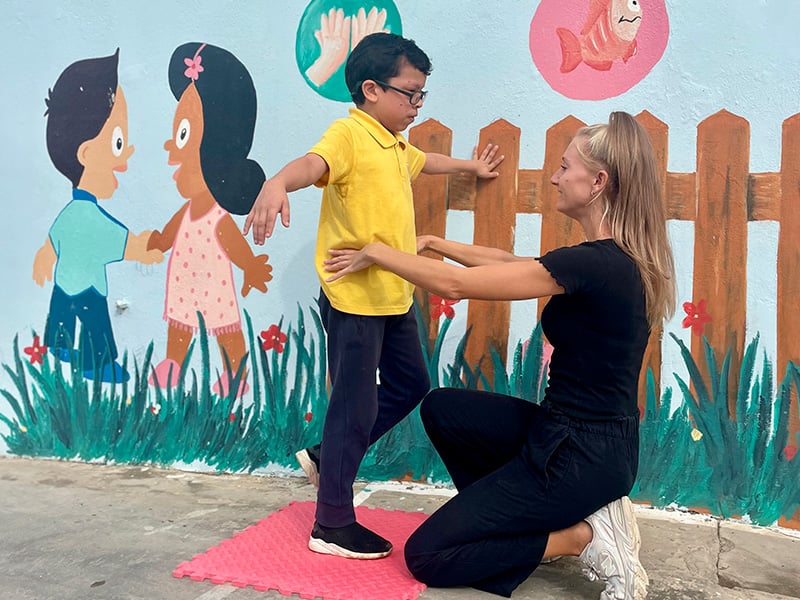
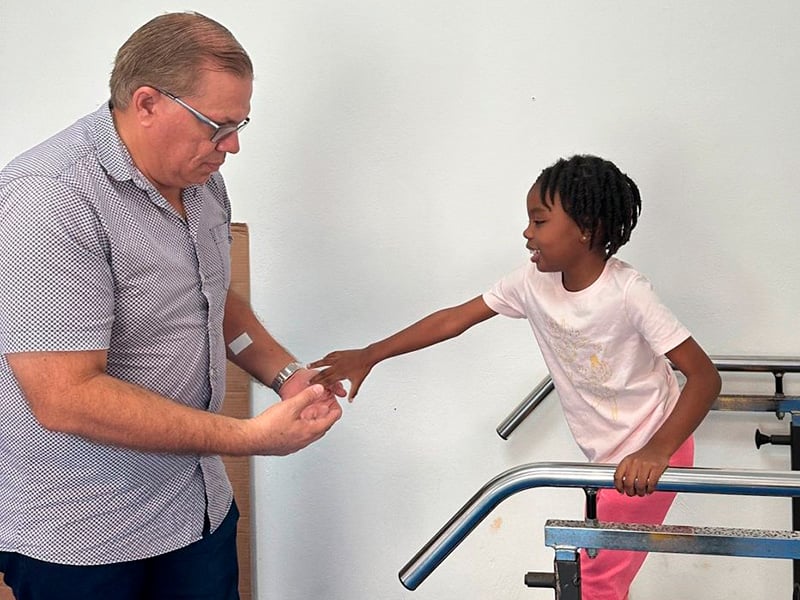
In Aruba, health and education services for people with physical and intellectual disabilities are primarily provided by non-governmental organizations (NGOs) and some public institutions. While the government offers basic physiotherapy services through hospitals and health centers, demand often outstrips supply, especially for those requiring more specialized care. This results in long waiting times and, at times, care that is not always fully personalized. This project aims to provide physical therapy to children, adolescents, and adults with disabilities, coming from the different centers of the SVGA Foundation and the Care Center, to improve their motor and cognitive skills.
Social investment
Childhood
Health

Health

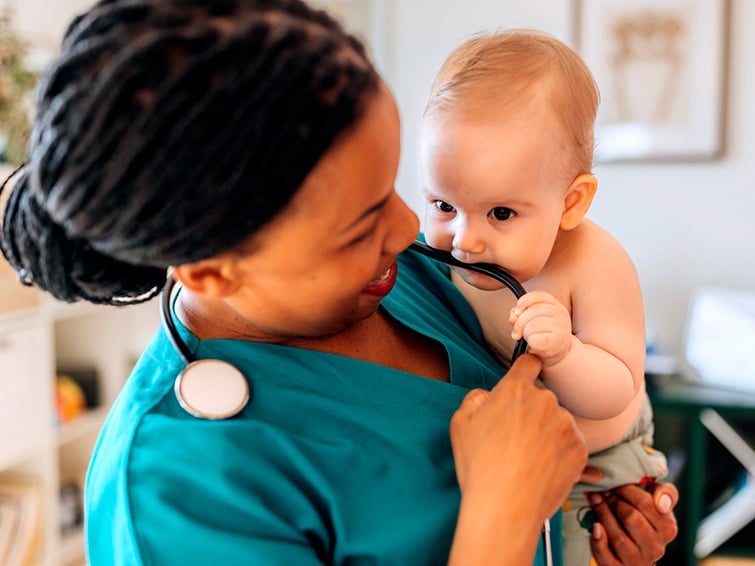
If we want to contribute significantly to improving the quality of life of people, we must promote health programs, especially focused on disease prevention, and the promotion of healthy habits. For this reason, we seek to promote services, especially aimed at girls and boys in our communities, with the help of local partners, that offer primary health care, psychological, dental, nutritional and other specialties.

Health
The project

The project

Objectives

The project aims to improve the physical condition and cognitive aspects of users, optimizing their ability to perform daily activities and promoting better social adaptation. In addition, it seeks to increase their life expectancy through physical therapies and rehabilitation programs that allow them to achieve greater overall well-being.

The program benefited 55 children and adults, with a monthly average of 47 patients treated. Throughout the year, 42 children and young people and 13 adults received rehabilitation treatment, completing a total of 2,585 physiotherapy sessions aimed at improving their quality of life and independence.

67% of the patients showed measurable functional improvements, particularly in mobility, balance, muscle strength, and personal independence. Additionally, 14 patients were discharged after successfully reaching their therapeutic goals.