Nuh Dutty Up Jamaica

Jamaica Environment Trust (JET)

Nuh Dutty Up Jamaica
Description of this project

In Jamaica, a large amount of waste is improperly managed, reaching the sea and coasts through ravines, rivers and other waterways, contributing to marine litter accumulation and causing significant damage to marine ecosystems. The "Nuh Dutty Up" community recycling program aims to initiate and maintain proper waste management and promote environmental education among residents of the St. Ann communities, in order to prevent coastal pollution.

Social investment
Local Community
Education

Local Community

We establish actions and resources aimed at improving the well-being of communities and mitigating social problems that affect the communities where we operate.
Implementing these actions not only helps us build a positive relationship with the community, but also contributes to sustainable development and the construction of an environment where all people and local residents have better opportunities to thrive and live a full and satisfying life.

Local Community
The project

The project

Objectives

The goal is to raise awareness among residents about the problems arising from solid waste and the solutions available in their communities, as well as to improve waste management infrastructure through a model community recycling program.

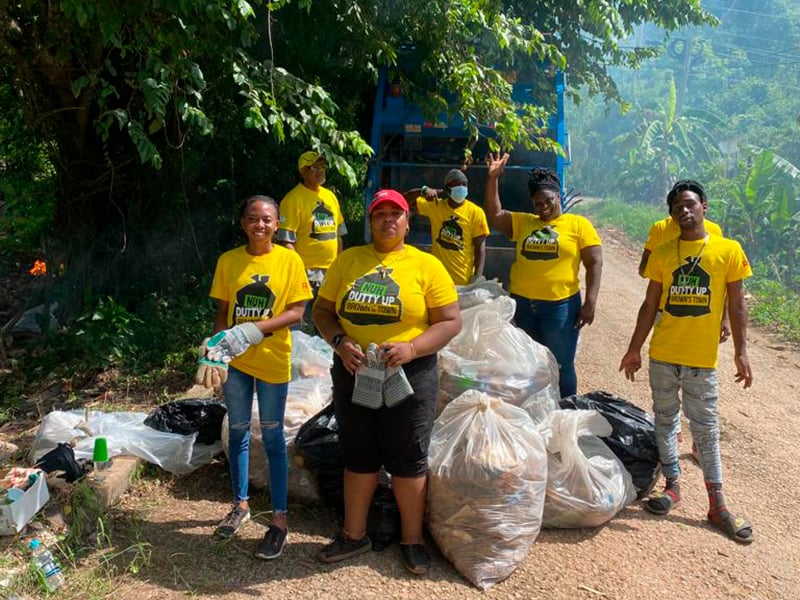
To improve waste management and community cleanliness, 25 kits were distributed to support the activities in Brown’s Town and Discovery Bay. Over 74 volunteers actively participated, collecting a total of 855 pounds of rubbish.

In a move towards recycling, a recycling cage was delivered in Brown’s Town, and 440 pounds of plastic were recycled through various community initiatives. Furthermore, 80 waste bins were provided to schools and communities in Discovery Bay and Brown’s Town, facilitating waste separation.

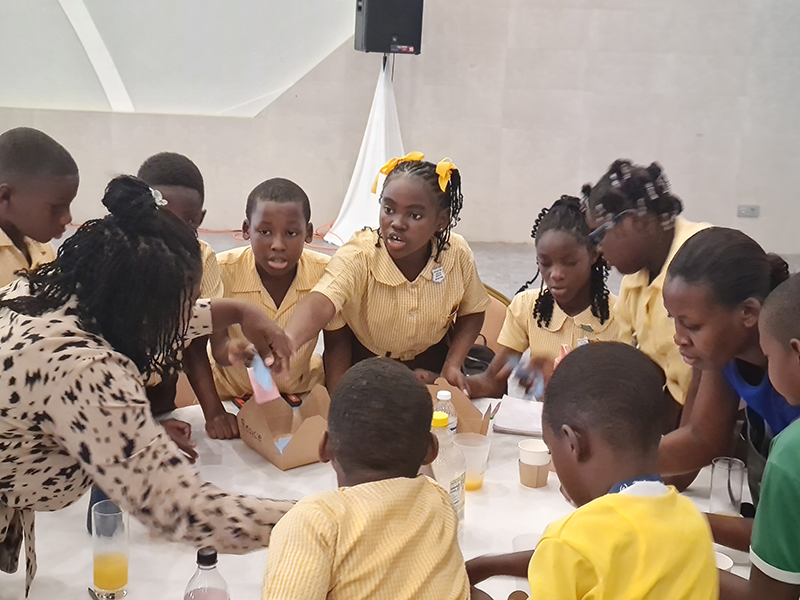
Environmental education was also a priority: 8 primary schools participated in waste management initiatives. Of these, 6 schools received a workshop designed to educate students on proper solid waste management practices.

The efforts made have achieved a 69% reduction in plastic waste sent to landfills, reaching a 100% reduction in the third quarter. Efficiency in waste collection was evidenced by an average 86% utilisation of recycling containers.

Furthermore, an illegal dumping site was completely cleaned up and removed, achieving a 100% reduction in the areas identified with waste.

Environmental awareness also increased, demonstrating a 20% improvement in assessment scores on single-use plastics and their environmental impact. Specifically, in the pre-assessment, 68% of participants scored over 50%, while in the post-assessment, this percentage rose to 86%.