

Protecting coastal ecosystems and ocean biodiversity requires rigorous, localized environmental action. Across fragile destinations such as the Maldives and Jamaica, non-governmental organizations (NGOs) including the Maldives Ocean Plastics Alliance (MOPA) and the Jamaica Environment Trust (JET) are developing locally adapted approaches to tackling plastic pollution.
From source segregation and circular recycling on remote islands to community waste collection and environmental education, these initiatives demonstrate how global marine conservation goals can translate into measurable local action – an approach actively supported by RIU Hotels & Resorts within its destination strategy.
Key Highlights at a Glance:
- Maldives (MOPA): Collected 8,200 kg of plastic containers in 2025 across two resort properties, achieving a 20.7% year-on-year increase.
- Jamaica (JET – Nuh Dutty Up): Collected 4,465 kg of waste, 77% of it plastic, while contributing to a 56% reduction in identified illegal dumping locations through strengthened community collection and environmental education.
The Global Imperative: Moving Toward a Circular Economy
Ocean plastic pollution is one of the most pressing environmental threats facing coastal destinations today. According to OECD projections referenced in United Nations Environment Programme (UNEP) global frameworks, worldwide plastic waste is on track to nearly triple by 2060, reaching over 1.0 billion tonnes if left unchecked. Without urgent interventions, plastic leakage into marine ecosystems will create over US$281 trillion in cumulative damages between 2016 and 2040 – impacting fisheries, degrading beaches, and threatening local tourism economies.
In its flagship report Turning off the Tap, UNEP calls for an integrated, systemic shift from a linear to a circular plastics economy. Its approach combines reducing problematic and unnecessary plastic use with three key market shifts – reuse, recycling, and reorienting and diversifying toward sustainable alternatives – alongside measures to address existing plastic pollution.

At the local level, this systems approach can translate into practical action across several interconnected areas:
- Source Segregation & Circular Recovery: Improving source separation, collection, sorting, and reverse-logistics systems to keep recyclable materials in circulation and reduce leakage into the environment.
- Local Waste Collection & Pollution Prevention: Strengthening community-level collection infrastructure and interventions that prevent waste from reaching rivers, coastlines, and marine ecosystems.
- Public Awareness & Community Engagement: Supporting responsible consumption and waste-management practices through education, communication, and local participation.
Recognizing that its operations make it a key stakeholder in these destinations, RIU Hotels & Resorts works alongside local NGOs to translate these broader circularity principles into locally adapted action.
Maldives: Closing the Loop with MOPA
In island destinations like the Maldives, managing single-use plastic presents unique geographic constraints. The Maldives Ocean Plastics Alliance (MOPA) – the country’s first locally registered NGO alliance – was formed to build a sustainable circular framework for plastic waste.
Responding to MOPA’s call to action, Hotel Riu Palace Maldivas and Hotel Riu Atoll fully integrated MOPA’s “Collection of Plastic Waste” project into their daily operations:
- Source Separation: Hotel teams separate PET containers into specialized packaging on a weekly basis.
- Reverse Logistics: MOPA transports the collected packaging to Malé, routing materials for high-grade recycling in specialized facilities.
- Measurable Progress: In 2025 alone, the partnership collected 8,200 kg of plastic containers, marking a 20.7% year-on-year increase in waste diverted from ocean environments.


Jamaica: Stopping Pollution at the Source with JET
While island waste management requires effective circular systems, ocean plastic pollution also needs to be tackled before waste reaches the coastline. Much of marine litter originates inland, travelling through ravines and rivers into coastal waters.


To address this root cause, the Jamaica Environment Trust (JET) launched the “Nuh Dutty Up“ community recycling program in Saint Ann and Trelawny. Aligning with JET’s mission, RIU supported local operations across Ocho Rios and Falmouth to strengthen community infrastructure and environmental education:
- Community Cleanup & Recovery: Organized 13 cleanup days with 238 volunteers and 2 workshops with 43 participants. In Ocho Rios, the initiative collected 4,465 kg of waste (77% plastic), with 2,106 kg successfully recycled.
- Infrastructure Growth: Continued support for local collection infrastructure is helping the program expand its reach and environmental impact over time. With 526 active waste bins and 3 recycling cages (achieving 90% utilization), driving a 433% increase in waste collection YoY (diverting an additional 1,536 kg of plastic) and achieving a 56% reduction in illegal dumping sites.
- Educational Impact: Conducted workshops across 8 primary schools, driving a 20% improvement in student assessment scores regarding single-use plastics.

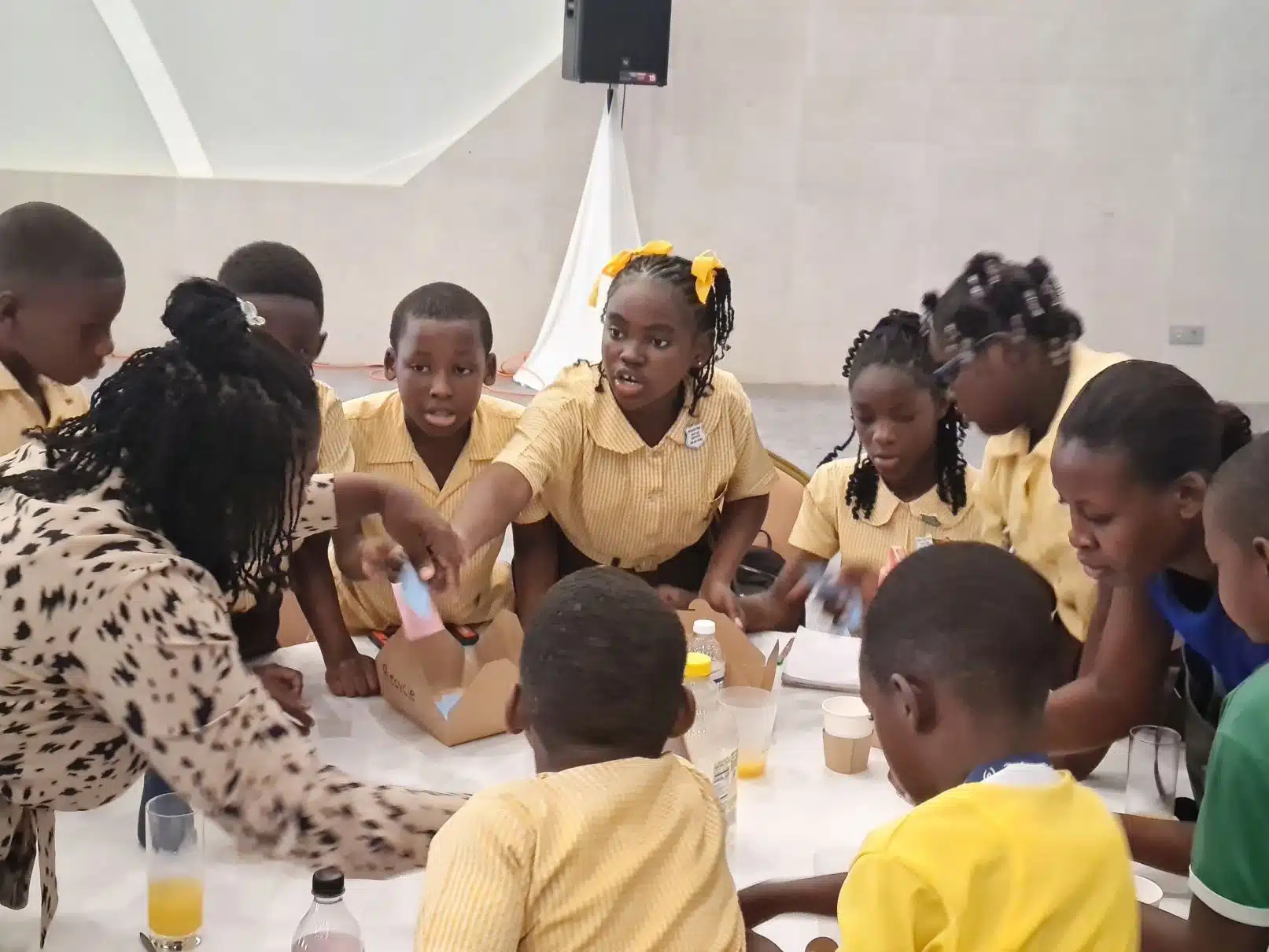
Summary Table of Global Coastal Protection Impact
| Destination / Project | Key Partner | Primary Focus Area | 2025 Key Achievements & Impact |
| Maldives (Riu Palace Maldivas & Riu Atoll) | MOPA (Maldives Ocean Plastics Alliance) | Island PET source segregation & circular recycling | • 8,200 kg of plastic collected (+20.7% YoY)• 100% routed for circular re-use |
| Jamaica (Ocho Rios & Falmouth) | JET (Jamaica Environment Trust) | Riverfront waste containment & youth education | • 4,465 kg waste collected (2,106 kg recycled)• 433% increase in YoY collection (+1,536 kg plastic diverted)• 56% reduction in illegal dumping sites• 526 active bins & 3 recycling cages deployed• +20% improvement in school test scores |
Join Us in Continuing to Transform Destinations!
At RIU Hotels & Resorts, we are convinced that sustainable tourism must serve as a force for environmental protection and community prosperity. Through our Proudly Committed strategy, we continue to transition from traditional management toward a long-term model of circular sustainability.
Curious to learn more about our broader environmental and social impact? We invite you to explore our 2025 CSR Highlights, visit our Proudly Committed section to dive deeper into our global sustainability initiatives, or discover our hotels at www.riu.com.
Frequently Asked Questions (FAQs)
RIU evaluates social and environmental investments using The RIU Method – a pioneering methodology created in collaboration with ESCP Business School. Grounded in academic rigor, The RIU Method operates across four distinct phases:
Diagnostics: Analyzing destination-specific social and environmental data, conducting in-situ field assessments, and interviewing local hotel staff and community stakeholders.
Project Selection: Evaluating potential civil society organizations (NGOs) that address verified destination issues, such as biodiversity loss or waste management gaps.
Execution: Implementing projects with direct resources and continuous monitoring.
Evaluation: Conducting impact analysis to measure long-term effectiveness.
This structured cycle ensures that partnerships with organizations like MOPA and JET deliver genuine, measurable outcomes for local communities and ecosystems.
Rather than relying solely on local incineration or disposal, Riu Palace Maldivas and Riu Atoll execute weekly source segregation of PET packaging. Partnering with MOPA, these materials are collected and transported to Malé via reverse logistics, where they are exported to specialized facilities for high-grade circular recycling, keeping plastic out of island ecosystems.
Under Phase 4 (Evaluation) of The RIU Method, projects are not treated as one-off donations but as long-term social investments. RIU conducts regular monitoring and annual auditing of Key Performance Indicators (KPIs) – such as kilograms of plastic diverted, percentage reduction in illegal dumping, and student post-workshop scores. This continuous data collection allows RIU and its NGO partners to adapt strategies, scale resources, and ensure lasting positive impacts in every destination.